
Blogs
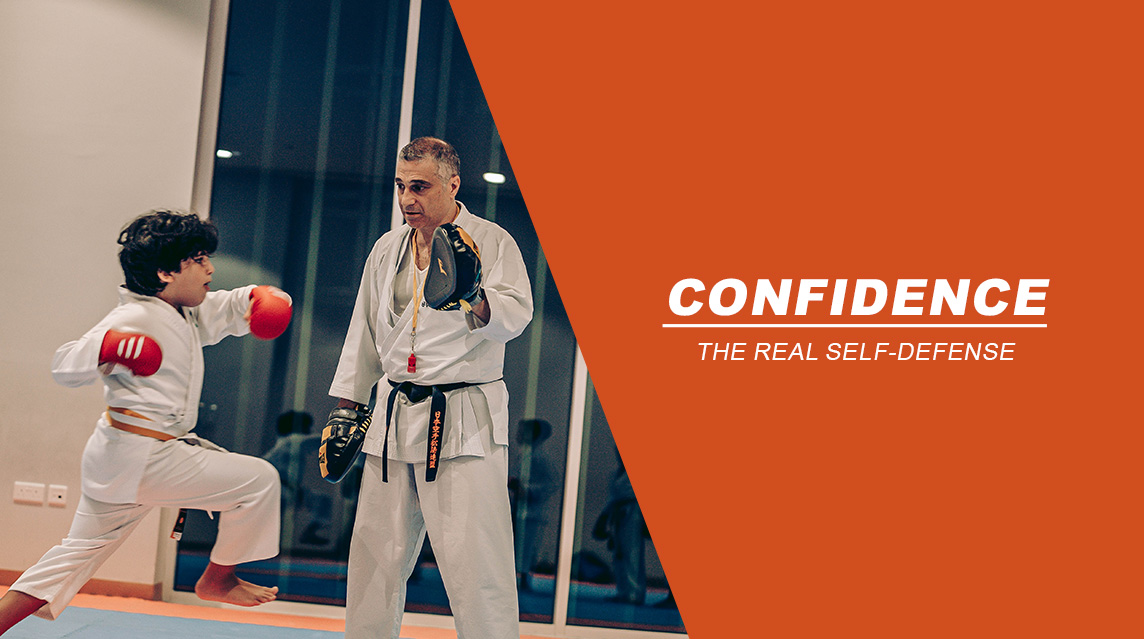
Can Karate Help Children Overcome Bullying?
Many parents worry about bullying, even if their child has never spoken about it directly.
Sometimes the signs are subtle: hesitation before school, sudden loss of confidence, withdrawal from social situations, or a change in posture and tone.
Bullying does not always start with words or actions. Often, it begins with perception. Children who appear unsure, withdrawn, or emotionally unguarded may unintentionally signal vulnerability.
This raises an important question:
Can the right environment help a child build the confidence that naturally discourages bullying?
Karate Is Not About Fighting-It’s About Presence
One of the most common misconceptions is that martial arts teach children how to fight. Traditional karate, especially structured systems like Shotokan, focuses on something much deeper:
How a child carries themselves.
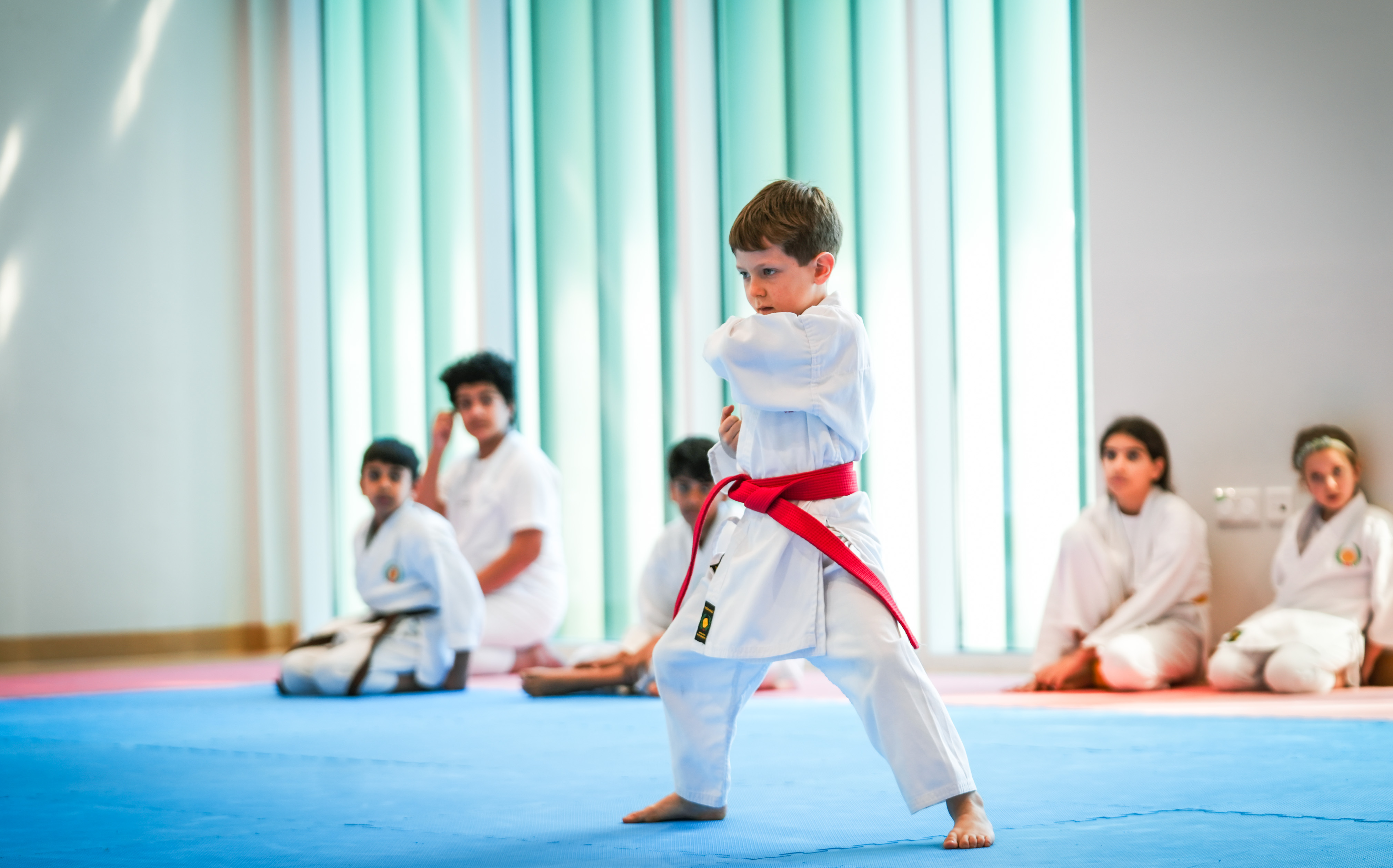
Children who train consistently begin to develop:
Calm posture
Steady eye contact
Controlled movement
Composed breathing
Confident voice tone
These traits quietly communicate self-assurance. And confidence is often the strongest deterrent to bullying.
Why Bullies Target Certain Children
Bullying behavior is usually based on perceived imbalance. Children who bully tend to look for those who seem:
Unsure of themselves
Hesitant in speech or movement
Easily intimidated
Socially withdrawn
This does not mean a child is weak. It simply means they have not yet developed the internal signals of confidence.
Those signals can be trained.
How Karate Builds Inner Confidence Step by Step
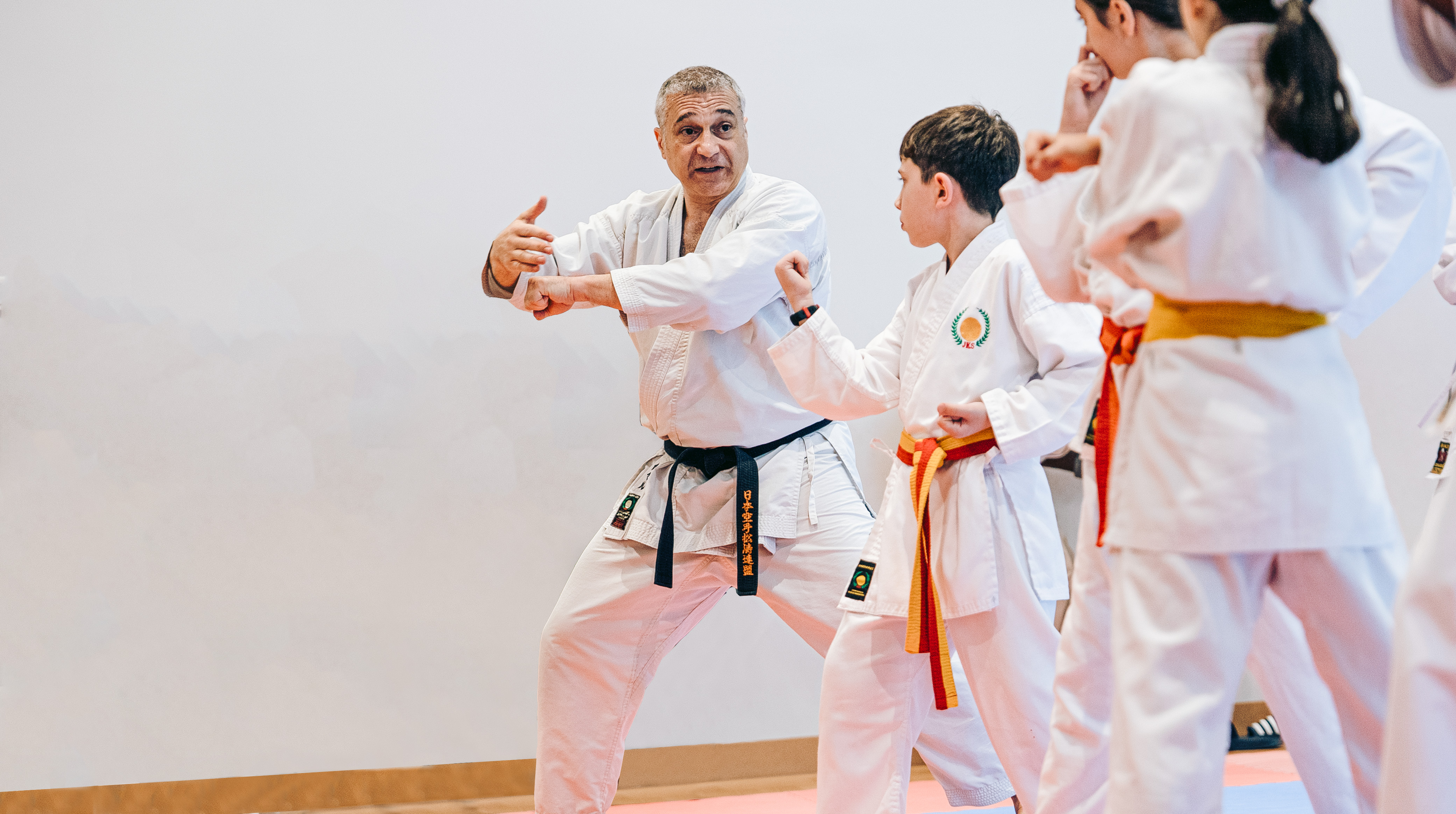
Confidence in karate is not given through praise. It is built through structured progress.
Training follows a developmental pathway:
1. Fundamentals (Kihon)
Children learn basic movements repeatedly with guidance and correction.
They begin to understand effort and improvement.
2. Structured Sequences (Kata)
They combine movements into patterns. This builds memory, focus, and body awareness.
3. Controlled Practice Exchange (Kumite)
Students apply skills with partners in a safe, supervised environment.
They learn composure, timing, and emotional control.
Through this process, a child’s mindset shifts:
“I can’t do this” - “I’ll try” - “I’m doing it.”
That shift is where real confidence begins.
The Psychology Behind the Transformation
Traditional karate training uses a powerful developmental cycle:
Attempt - Correction - Repetition - Improvement
Each time a child tries again after correction, they experience growth. Over time, they begin to associate effort with progress rather than failure with embarrassment.
This teaches three lifelong skills:
Resilience
Patience
Self-belief
When children internalize these traits, they naturally project calm strength the opposite of vulnerability.
Signs Parents Often Notice After Training Begins
Parents frequently observe gradual but meaningful changes, such as:
Clearer communication
Improved posture
Better emotional regulation
Stronger focus at school
Willingness to try new things
These changes extend far beyond the dojo. They influence how children interact with peers, teachers, and challenges.
Does Karate Teach Children to Fight Back?
Traditional karate does not teach aggression.
Instead, it teaches:
Awareness
Control
Discipline
Respect
Students learn that strength is demonstrated through restraint, not reaction. The goal is not confrontation. It is confidence and composure.
Long-Term Impact: Confidence That Stays with Them
The most valuable outcome of karate training is not a physical skill. It is identity.
Children begin to see themselves differently:
Capable
Resilient
Focused
Calm under pressure
This internal shift often changes how others perceive and treat them. Confidence influences social dynamics in powerful ways.
Frequently Asked Questions Parents Ask
Is karate suitable for shy children?
Yes. Structured training environments are often especially beneficial for quieter children because progress is guided and supportive.
How long does it take to see changes?
Every child is different, but many parents notice improvements in focus, posture, and confidence within the first few months of consistent training.
Will my child become aggressive?
Traditional karate emphasizes discipline and respect. Students are taught self-control before any advanced techniques.
Final Thought for Parents
Bullying prevention is not only about teaching children how to respond to others. It is also about helping them develop a presence that communicates confidence, calmness, and self-belief.
That transformation does not happen overnight.
It is built through structure, guidance, repetition, and encouragement.
Karate provides that pathway.
The most meaningful way to understand the impact is to see it yourself.
If you live near Nad Al Sheba, Dubai or Motor City, Dubai and want to see how your child responds to a structured, confidence-building class, we invite you to try a session - no pressure, no obligation.
Trial classes allow parents to observe, ask questions, and see firsthand how toddlers engage with routines, listening cues, and movement in a supportive setting.
Message us to reserve a free trial spot and see how karate can support your child’s focus, confidence, and calm, one small win at a time.
HSKD Academy – Dubai, UAE
🌐 www.hskd-academy.ae 📞 +971 58 527 2831 📩 [email protected]
Book a Free Trial Class
Recommended Reads for Parents Exploring Karate Training
1:What Parents Have Experienced After Enrolling Their Children at HSKD Academy
2:The Secret Ingredient Behind Your Child’s Discipline, Focus & Growth in Karate
3:What Is the Best Activity for Shy Kids to Build Confidence in Dubai
4:When Should Your Child Start Karate?
5:How Long Does It Take to Become a Black Belt? Understanding the Journey of Growth and Character
6: How Japanese Shotokan Karate Helps Toddlers Build Focus and Discipline in Dubai